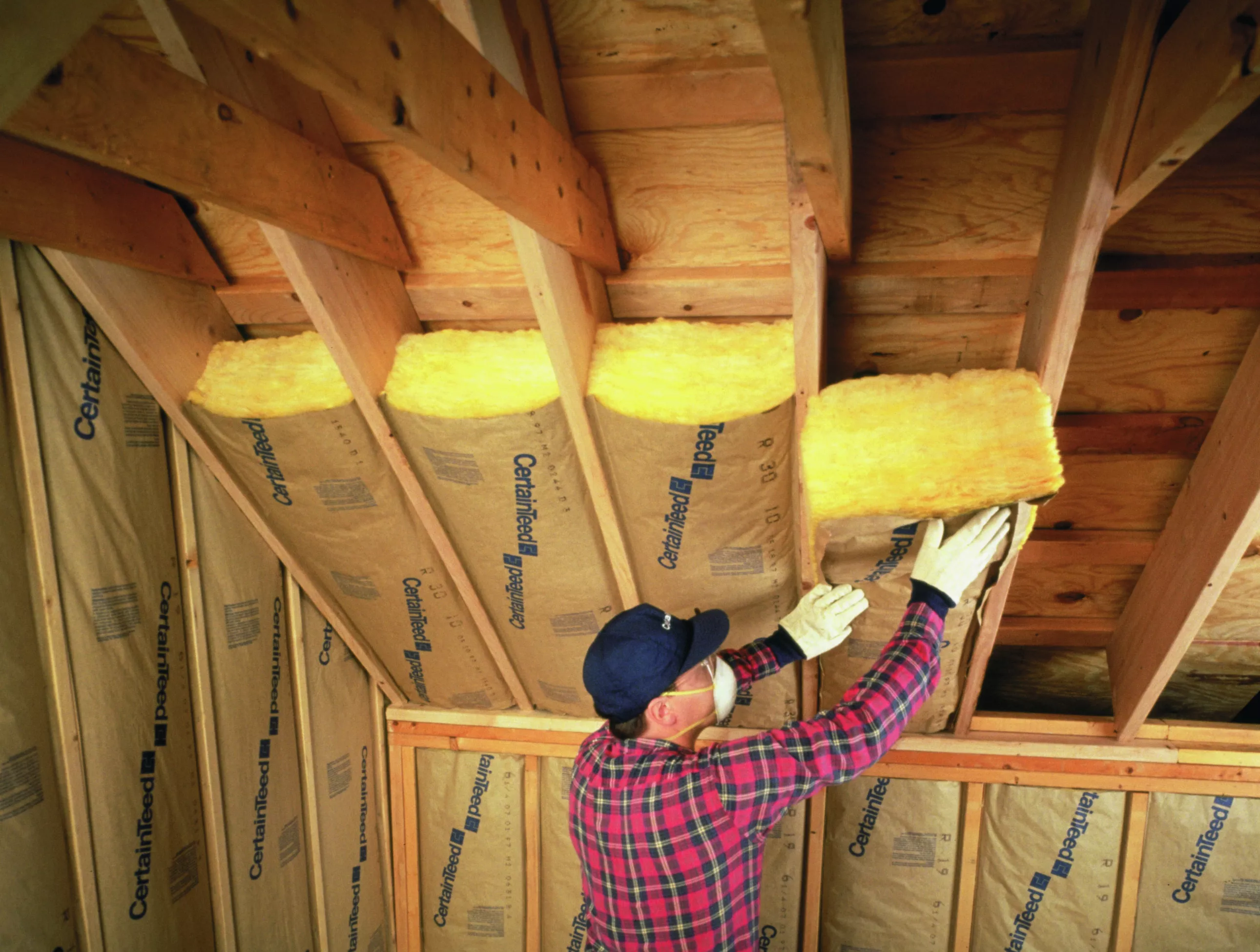
Top 5 Insulation Materials to Keep Your Home Cozy in Winter
Winter is just around the corner, and ensuring your home remains cozy during the chilly months is essential. Proper insulation plays a crucial role in maintaining a comfortable indoor temperature while reducing energy bills. Here are the top 5 insulation materials to consider for your home:
- Fiberglass Insulation: This is one of the most commonly used insulation materials due to its affordability and effectiveness. It comes in batts or loose-fill form and is made from fine glass fibers that trap heat. Fiberglass insulation is non-combustible and resists moisture, making it ideal for both attics and walls.
- Foam Board Insulation: Foam board insulation provides a high insulating value per inch of thickness and can be used for various applications, including exterior walls and basement walls. Its rigid structure also helps in reducing thermal bridging.
- Spray Foam Insulation: Offering superior air sealing capabilities, spray foam insulation expands upon application, filling gaps and cracks. This material is excellent for hard-to-reach areas and can significantly improve energy efficiency.
- Cellulose Insulation: Made from recycled paper products, cellulose insulation is an eco-friendly option that provides excellent thermal resistance. It is usually applied as loose fill, which can settle into nooks and crannies easily.
- Mineral Wool Insulation: Also known as rock wool, this insulation is made from natural or recycled materials and offers excellent fire resistance. It's often used in attics and walls for its soundproofing qualities as well.
How to Identify Drafts: A Homeowner's Guide to Insulation
Identifying drafts in your home is crucial for maintaining energy efficiency and comfort throughout the year. Insulation plays a significant role in reducing heat loss during colder months and keeping your home cool in the summer. To begin, perform a simple visual inspection: look for gaps or cracks around windows and doors, and examine areas where pipes and cables penetrate walls, ceilings, or floors. Homeowners can also feel for drafts by running their hands along these edges on windy days. Consider using a candle or incense stick to detect air movement more accurately; if the smoke wavers or blows, you've found a draft source.
Once you've identified potential draft locations, it's essential to take corrective action. Start with weatherstripping around doors and windows, which can effectively seal gaps and improve your home's insulation. Additionally, consider adding insulation to areas that are particularly drafty, such as attics and basements. Here’s a simple checklist for homeowners looking to enhance their insulation:
- Check and replace old insulation
- Seal gaps with caulk or spray foam
- Use door sweeps to block drafts
- Install outlet gaskets on electrical outlets
Taking these steps can dramatically reduce energy costs while ensuring a more comfortable living environment.
The Benefits of Proper Insulation: Is Your Home Winter-Ready?
As the cold winter months approach, ensuring your home is equipped with proper insulation is crucial for maintaining a comfortable living environment. Insulation serves as a barrier against heat loss, keeping your home warm while reducing the demand on your heating system. This not only enhances your comfort but can also lead to significant savings on your energy bills. Did you know that homes with adequate insulation can reduce heating costs by up to 20%? Investing in quality insulation can significantly upgrade your home's energy efficiency, making it a wise choice for any homeowner.
Beyond just energy savings, proper insulation contributes to overall home durability and health. It helps prevent moisture buildup, which can lead to mold and mildew problems that compromise air quality. Additionally, effective insulation can minimize noise pollution from outside, creating a more peaceful indoor environment. To ensure your home is truly winter-ready, consider inspecting areas such as attics, walls, and basements, as these often harbor gaps where warmth can escape. Taking the time to assess and improve your insulation could offer long-term benefits for your home and well-being.