Fast Charging vs. Standard Charging: What’s the Real Difference?
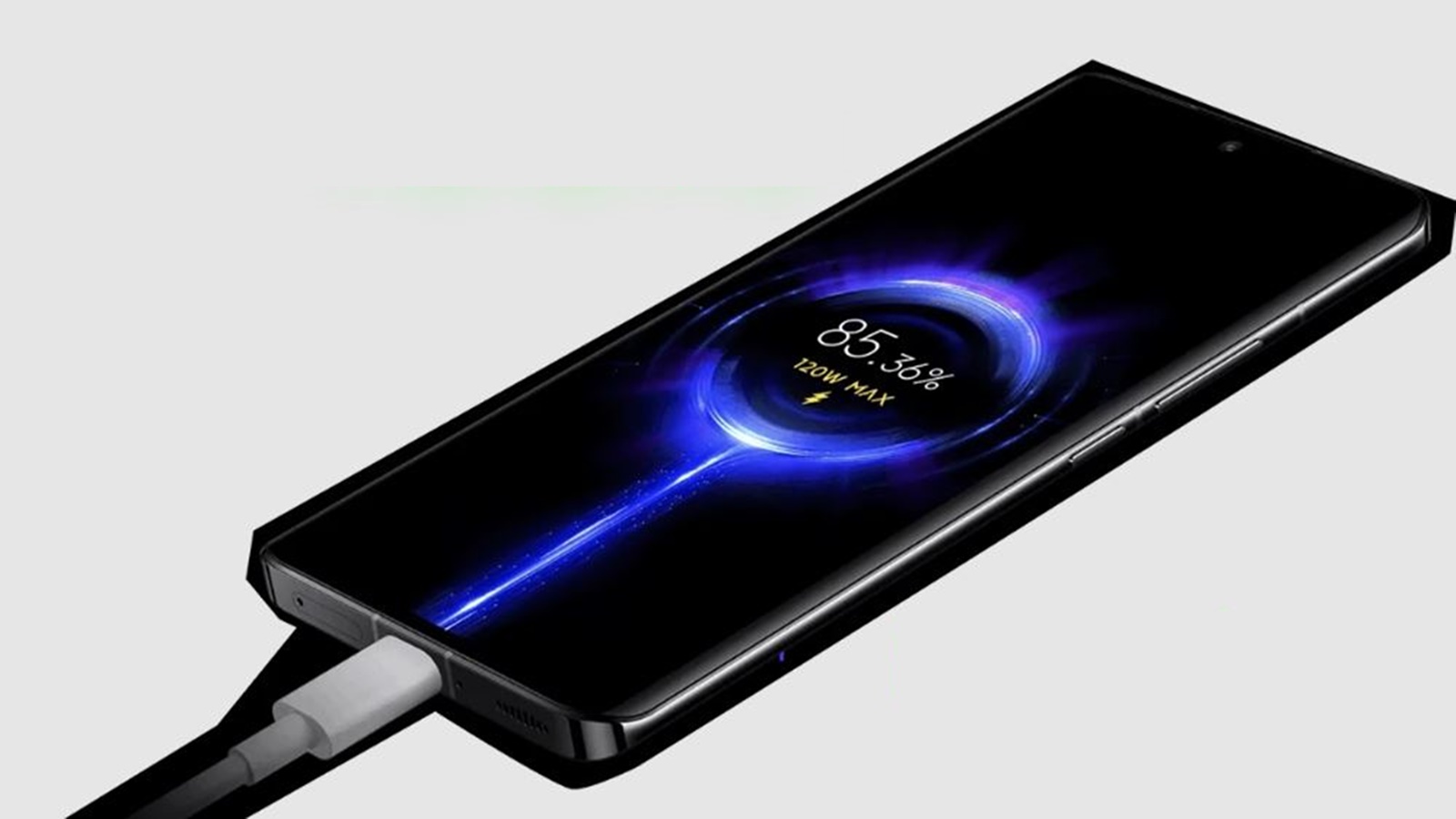
When it comes to powering your devices, fast charging and standard charging are two terms that frequently surface in discussions. Fast charging refers to the technological advancements that enable devices to gain battery power at an accelerated rate, often using higher voltage and current levels to achieve quick replenishment. In contrast, standard charging typically delivers a consistent, lower voltage that refills a device's battery at a much slower pace. This fundamental difference is essential for users who require quick turnarounds between device usage, particularly for smartphones and laptops that are integral to daily life.
One of the key factors that set fast charging apart from its standard charging counterpart is the compatibility with various devices and chargers. Most modern devices support some form of fast charging, but it's important to use compatible chargers and cables to avoid damaging the battery or the charging port. Additionally, fast charging can generate more heat, which can affect battery health over time, making it essential to balance speed with overall battery care. Understanding these differences helps consumers make informed decisions about which charging option suits their needs best.
If you're looking to declutter your workspace while keeping your devices charged, you might want to explore the Top 10 Desk Wireless Chargers. These chargers not only provide convenience but also add a touch of style to your desk setup. With varying designs and power outputs, there's a perfect option for everyone.
Debunking Common Myths About Smartphone Charging
Many smartphone users believe that leaving their device plugged in overnight can damage its battery life. This myth stems from older battery technologies; however, modern smartphones are equipped with smart charging technologies. If a smartphone battery reaches 100%, the charging circuitry disconnects, preventing overcharging. Furthermore, many devices are designed to reduce charging speed as they approach a full charge, ensuring the battery health is preserved. Thus, leaving your phone to charge overnight is not harmful as long as you use the manufacturer's recommended charger.
Another common misconception is that turning off your smartphone will improve battery life significantly. While it’s true that power-intensive apps and features drain battery, most users simply don’t turn off their devices. In reality, smartphones are designed to manage processes efficiently, and modern operating systems like Android and iOS can optimize power usage even when the device is on. Instead of powering down, users can save battery life by utilizing low-power modes or disabling unnecessary features, making this myth largely unnecessary in daily use.
Does Fast Charging Shorten Battery Life?
Does fast charging shorten battery life? This question has become increasingly relevant as consumers lean towards devices that support accelerated charging technologies. The simple answer is that while fast charging can result in heat production, which is detrimental to battery longevity, modern smartphones and electric vehicles are designed with sophisticated battery management systems. These systems optimize charging rates to mitigate harmful effects, ensuring that users can benefit from quick power-ups without severely compromising battery lifespan.
Furthermore, it's important to recognize that battery chemistry plays a significant role in determining how well batteries endure the stress of fast charging. Lithium-ion batteries, commonly used in various devices, are generally resilient. However, consistent exposure to high voltage and temperature during charging can contribute to battery degradation over time. To maximize your battery's life, consider adopting practices such as avoiding extreme temperatures and unplugging your device once fully charged, thus balancing the convenience of fast charging with long-term health.