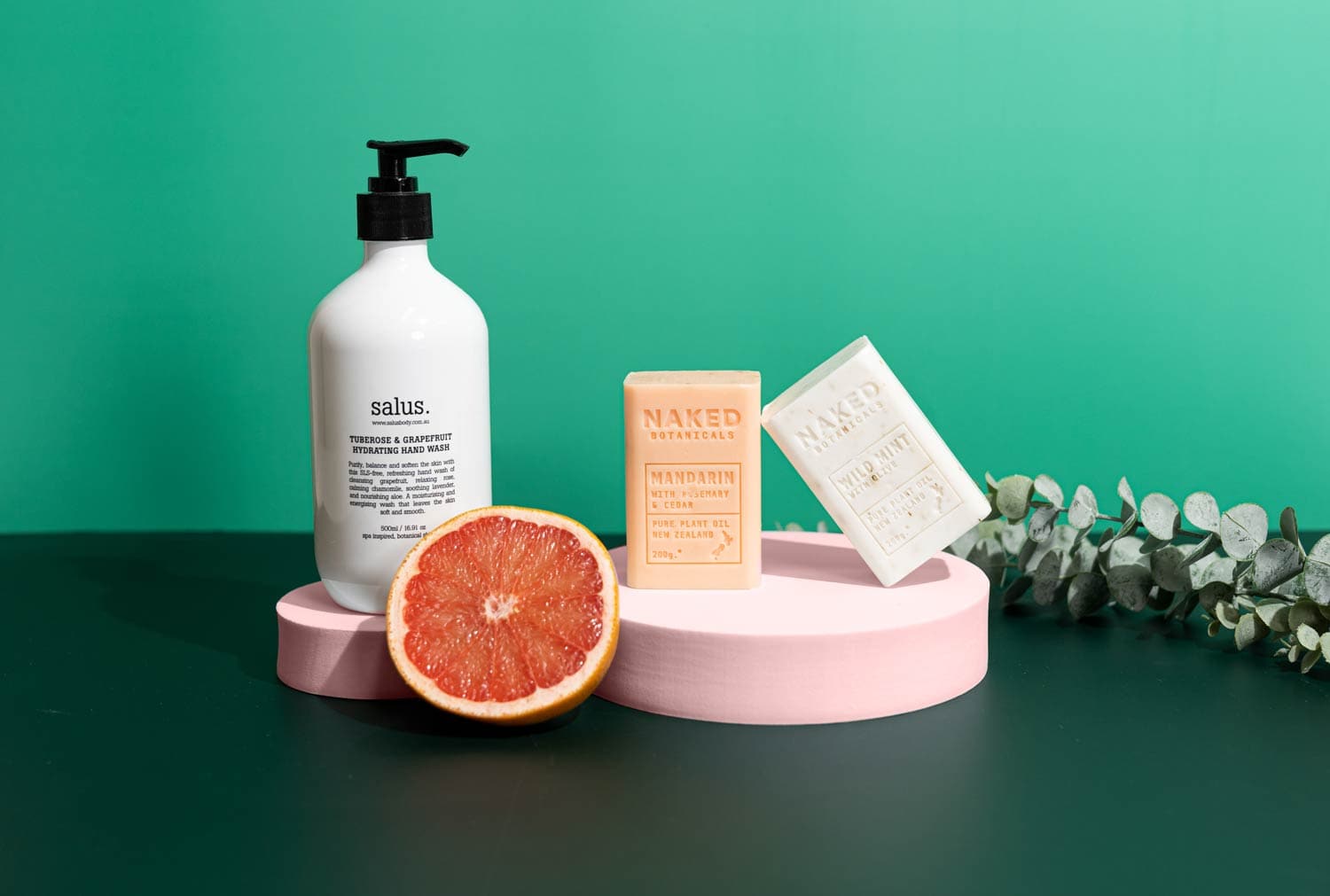
10 Essential Tips for Captivating Product Photography
Captivating product photography is crucial for attracting customers and showcasing your products effectively. Here are 10 essential tips to elevate your product images:
- Lighting: Use natural light whenever possible, or invest in soft box lights to create a bright and appealing look.
- Background: Choose a background that complements your product. A clean, uncluttered background often works best. For more insights on background selection, check out this Shopify article.
- Angles: Experiment with different angles to find the most flattering perspective of your product.
- Styling: Incorporate props or scenery that enhance the product's story and appeal.
- Editing: Use editing software to enhance colors, adjust contrast, and remove distractions.
Additionally, consider these last five tips to further improve your product photography:
- Focus: Ensure the product is in sharp focus to highlight details.
- Consistency: Maintain consistency in your photography style to create a cohesive brand image.
- Resolution: Use high-resolution images to ensure clarity and professionalism.
- Show Usage: Display the product being used in real-life situations to help customers visualize its practicality.
- Feedback: Seek feedback on your images and be open to making adjustments. For more guidance, visit this Photography Life guide.
How to Use Lighting to Elevate Your Product Images
When it comes to product photography, lighting plays a crucial role in determining the overall quality and appeal of your images. Proper lighting can accentuate the details, enhance colors, and create a professional look that attracts potential buyers. Here are a few tips to effectively use lighting to elevate your product images:
- Natural Light: Utilize natural light whenever possible. Shooting near a window during the day not only offers soft illumination but also reduces the need for artificial light sources.
- Diffusers: If the sunlight is too harsh, consider using a diffuser, such as a sheer white curtain, to soften the rays and eliminate harsh shadows.
For more detailed insights on using natural light, check out this guide on natural light photography.
In addition to natural light, employing artificial lighting can significantly enhance your product shots, especially in controlled environments. Using softboxes or LED lights allows for adjustable brightness and color temperature to perfectly match your product's needs. Here are some strategies to use them effectively:
- Three-Point Lighting: This setup includes a key light, fill light, and back light to ensure even illumination and depth in your images.
- Light Placement: Experiment with different angles and distances from your product to find the most flattering lighting.
For more on artificial lighting setups, visit this B&H article on artificial lighting.
Are You Making These Common Product Photography Mistakes?
When it comes to product photography, there are several common mistakes that can undermine the quality of your images. One of the biggest pitfalls is improper lighting. Using harsh or unbalanced lighting can create unflattering shadows and distort colors, making your products look less appealing. Ensure that you invest in natural light or softbox lighting to create an even, bright effect. For tips on lighting setups, check out this guide on lighting.
Another frequent error is neglecting the background. A cluttered or distracting background can take attention away from your product. Opt for a clean and simple backdrop that complements your item. Additionally, always remember to keep your product in focus and avoid overly complex compositions. To explore more on creating effective compositions, visit this resource on composition tips.