The Hidden Benefits of 5G: What Users Need to Know
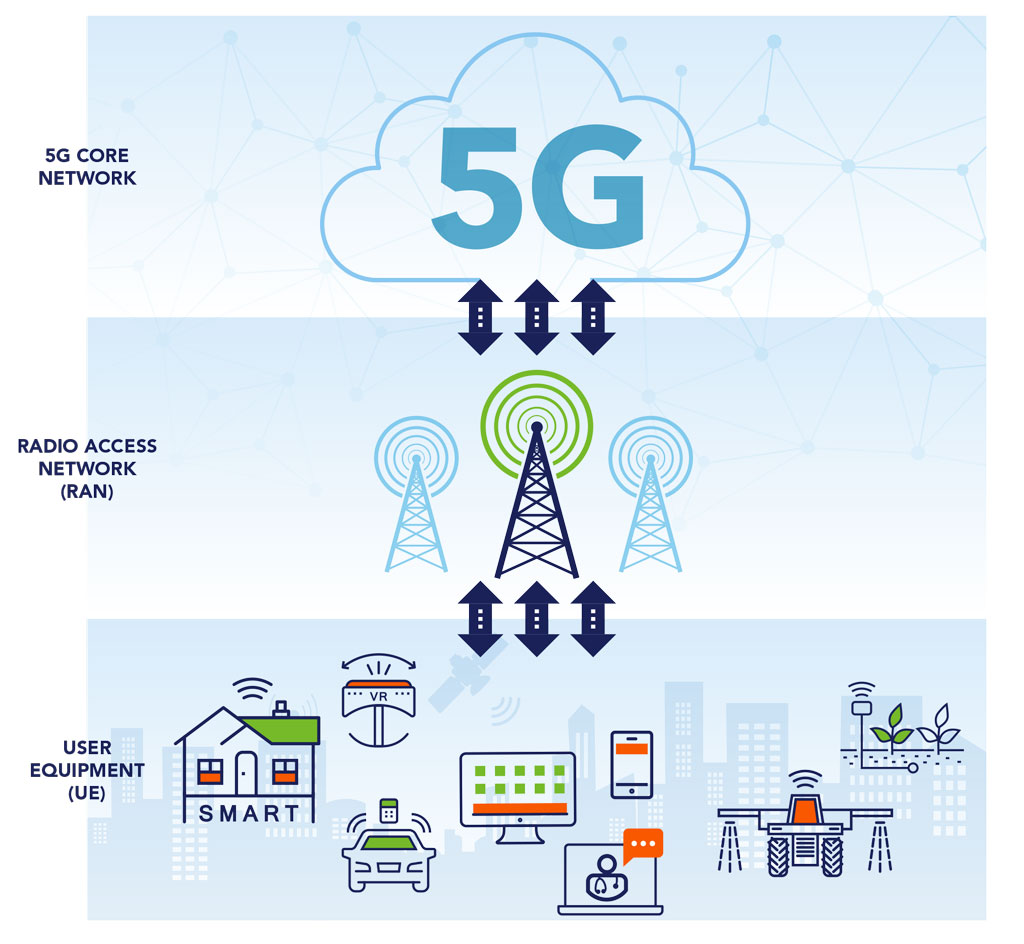
While many people are aware of the lightning-fast download speeds and improved connectivity that come with 5G technology, there are several hidden benefits that users might not realize. For instance, 5G can significantly enhance:
- Smart City Initiatives: Improved connectivity enables smarter resource management and enhanced urban planning.
- Remote Healthcare: Telemedicine services become more reliable with lower latency, allowing for better monitoring of patients.
- Augmented Reality: Enhanced AR experiences, which could revolutionize sectors from gaming to retail.
Moreover, 5G also offers transformative impacts on various industries that extend beyond just individual users. Businesses can benefit from.
- Increased Efficiency: Faster data transfer can streamline operations in sectors like logistics and supply chain management.
- Enhanced Collaboration: Real-time collaboration tools can see improvements, particularly for remote teams across the globe.
- Innovative Business Models: The technology paves the way for new services such as IoT solutions that can lead to operational expansion.
5G Myths Debunked: Separating Fact from Fiction
As the rollout of 5G technology accelerates, it's essential to debunk common myths that have emerged, causing confusion and concern among the public. One of the most persistent myths is that 5G is responsible for causing health problems, including cancer and other serious illnesses. However, according to the World Health Organization (WHO), numerous studies have found no conclusive evidence that 5G poses any health risks, as the radio frequencies used are well below the established limits for safe exposure. This myth largely stems from misunderstanding the science behind electromagnetic waves and their interaction with biological tissues.
Another prevalent misconception is that 5G signals can easily penetrate buildings, exposing us to constant high frequencies. In reality, 5G operates on higher frequency bands, which means its signals have a shorter range and are more easily obstructed by physical structures and even foliage. According to the Federal Communications Commission (FCC), this characteristic makes 5G less able to traverse solid objects compared to lower frequency signals used by previous technologies. Understanding these technical aspects can help mitigate fears and clarify the actual capabilities and limitations of 5G technology as it continues to evolve.
How 5G Technology is Shaping the Future of Communication
The advent of 5G technology is revolutionizing the way we communicate, paving the way for faster and more reliable connectivity. With data transfer speeds that can reach up to 10 Gbps, 5G is significantly faster than its predecessor, 4G, enabling instantaneous communication and enhanced user experiences. This technology is not only beneficial for individual users but also for businesses looking to leverage 5G's potential for operational efficiency and innovation. The implications of this advancement are vast, from improving remote working capabilities to fostering real-time collaboration across the globe.
Moreover, 5G technology is a game-changer for the Internet of Things (IoT), enabling a seamless connection of millions of devices. This extensive network supports smarter cities, advanced healthcare solutions, and autonomous vehicles, all interconnected and communicating in real time. As described in a report by Gartner, the increased bandwidth and lower latency of 5G are critical for applications that require immediate data exchange. Ultimately, the evolution of communication through 5G technology will shape how societies evolve and businesses thrive in the digital age.